
Nicky Snazell's award-winning Physiotherapists Stafford, we have a deep understanding of Neck Pain Treatements and the causes of pain. On this page you can read about the most comment types. If you have any questions please get in touch.
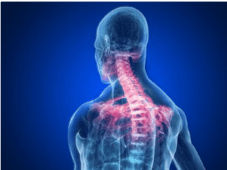
Cervical myelopathy occurs when there is pressure on or damage to the spinal cord itself. Cervical spondylosis is a common cause of this condition, as the wear and tear to the vertebra can narrow the canal through which the spinal cord runs.
Prolapse of a cervical disc can also cause myelopathy if the disc prolapse is into the central canal of the vertebra. Although it is very rare for either a tumour or infection to be the cause, a medical opinion and MRI is very important to have. As the nerve fibres run from the brain to the extremities, there can be many symptoms of cervical myelopathy, including:
Do you have pain and numbness in your arms and/or hands?
If symptoms of pain, pins and needles, numbness, and weakness can be felt anywhere from your shoulder to your fingers, you may be told you have cervical radiculopathy (nerve pain down the arm). This provisional diagnosis can be given by a spinal specialist physiotherapist or your chosen physical therapist such as a chiropractor or osteopath.
Radiculopathy is the irritation of the nerve roots at the spinal cord, sufficient enough to cause pain, pins and needles, or weakness across the shoulder and down the arm to the fingers. Radiculopathy can be caused by wear and tear, disc herniation, muscle spasm, or osteophyte growth.
It usually gradually resolves over a few weeks, and the treatment that I would give would be spinal specialist physiotherapy, including modalities such as Acupuncture, Gunn IMS dry needling, laser, soft tissue work, gentle facet joint mobilisations, postural advice, and gentle exercise to progressively strengthen the muscles. The GP can also offer meds to help you through the worst of the pain.
If your symptoms don’t improve, your therapist will refer you back to your GP. In more severe cases, where your hands feel clumsy, you have problems with walking, or problems with bladder function start occurring, this may be due to pressure from a worn vertebra or disc damaging the spinal cord, which is cervical myelopathy. A spinal surgeon will check this out with the aid of MRI scans.
Book to see your GP urgently if:
Both cervical radiculopathy and myelopathy can develop from spondylosis (disc wear and tear).
Osteoarthritis (OA) – the most common type of arthritis – is wear and tear in the smooth cartilage that protects the bones in joints, eventually leading to bone erosion, bone spurs, and unsightly bony end thickening. The joint juice – the synovial fluid – swells and becomes inflamed and sticky, and the attacked bone haemorrhages precious calcium. By the time we are 50 years old, 8 out of 10 of us have OA, and by 60, this goes up to 9 out of 10. Left untreated, OA can have a massive negative impact on quality of life and will eventually need surgery.
Provisional diagnosis is by a physical assessment with a physiotherapist, a GP with specialist interests in arthritis, an osteopath, chiropractor, rheumatologist, or orthopaedic surgeon. Then, you will need confirmation with bloods and X-ray, or MRI.
Personally, my favourite treatment modalities that I use include: physiotherapy-prescribed exercises, electro-acupuncture to give some immediate pain relief with TENS, ultrasound, laser and pulsed shortwave, Gunn IMS assessment for any neuropathic pain overtures, and in less severe cases, shockwave for joint stiffness.
In order to firefight the pain, we can use GP prescribed medicines, then a long-term nutritional assessment from a nutritional expert with advice on food and supplements.
This type of wry neck usually disappears after one or two days, and it can be due to:
Congenital torticollis (present at birth) may occur if the foetal blood supply or muscle development was injured or if the foetus’ head is in the wrong position while growing in the womb.
A physiotherapist will assess you and perform corrective manipulation, sometimes massage is required, however, you can always request a specific general or sports massage from our receptionists and they will help ensure that you see the right member of the team for treatment.
Of course, there are rare occasions where in order to relieve you of your pain the physiotherapist may need to manipulate the problem area. It is rare this will cause you more pain than you are in, but you may be acutely aware of your pain. It is best to speak with us if you have any concerns. Nicky and her team of exceptional healers will always do their utmost to remedy your situation with as little pain as possible. Please read our testimonials to find out more.
This depends on the severity of your knee condition but we have had patients, go another 11 years before replacement is required, that is nearly the length of time a new knee can last. Sometimes helping them with addressing issues and resulting weight loss can be the answer, we are here to support you, make an appointment today and let us help you with your knee pain.
As a degree-level trained professional, your physiotherapist never stops learning and will also most likely continue to develop and train in other areas such as acupuncture. Your physiotherapist will likely perform some types of massage, but a clinic will generally also have dedicated massage therapists who will be performing sports and full massages on a daily basis.